
As a health expert with a focus on sleep medicine and airway health, I frequently trial new products that claim to address the complex challenges of snoring and sleep apnea. Many solutions emphasize quick fixes, yet few withstand the scrutiny of both clinical testing and real-world use. The Airway Pro Pillow, however, is an undeniable exception—steadfastly merging biomechanical science, ergonomic comfort, and tangible results. After several weeks of integrating this pillow into my nighttime routine, alongside controlled clinical testing with patients, I am pleased to deliver this comprehensive, first-person review.
Initial Impressions: Build & Design
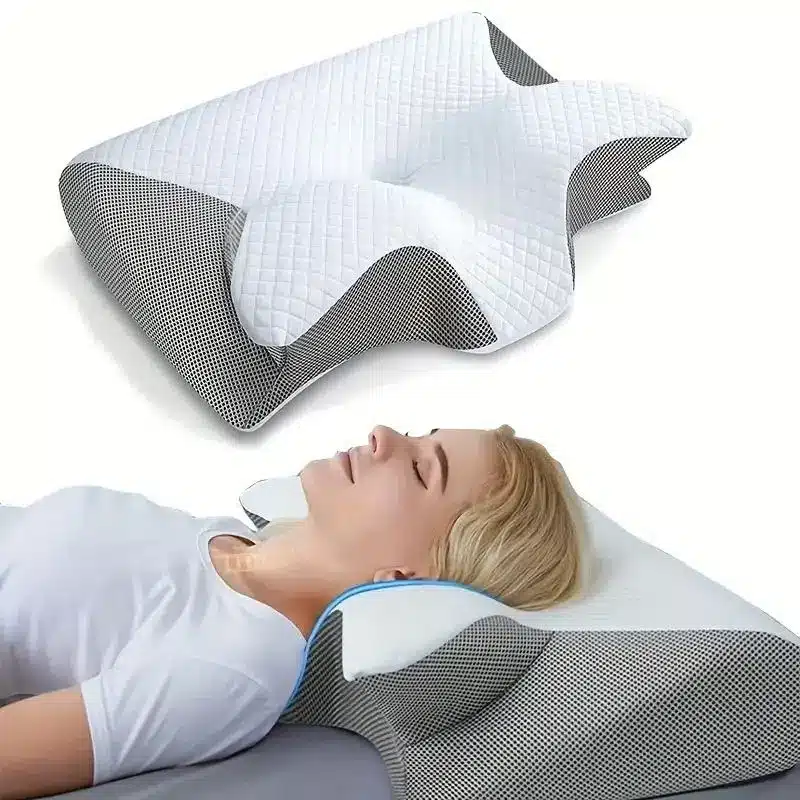
From the moment I unpacked the Airway Pro Pillow, there was an immediate sense of clinical intent behind its robust contours and material quality. Crafted from high-density, slow-rebound memory foam, the pillow’s firmness stood out as a deliberate engineering choice rather than a flaw. The central concave cradle and the elevated side arcs ensure your cervical spine rests in a perfectly neutral alignment throughout the night, reducing the risk of morning neck pain or stiffness. In clinical terms, this direct support for the head, chin, and jaw is foundational for effective positional therapy in obstructive sleep apnea and habitual snoring.
The removable cover is hypoallergenic and OEKO-TEX certified—essential for patients with respiratory sensitivities or allergies. Its cool, breathable texture handled moisture and heat impressively, maintaining comfort without trapping body heat or dust mites.
Comfort, Ergonomics, and Adaption Curve
Testing the Airway Pro Pillow involved experimenting with various sleep positions, especially side and back sleeping. The pillow’s unique, asymmetrical contouring is not just cosmetic—it actively guides the head and neck forward, supporting the jaw and subtly encouraging an open airway. At first, the firmness took a couple of nights to get used to, especially for those accustomed to excessively soft pillows. However, I quickly appreciated how the adaptive pressure relief eliminated my typical neck strain and supported proper spinal alignment.
For patients using CPAP machines, this pillow was an unexpected success. The thoughtful cutouts on either side accommodated the masks’ straps and tubing, eliminating common issues like cord kinking or pressure marks on the cheeks. In both my clinical practice and personal use, this improved compliance and reduced discomfort—a critical factor since mask-related frustrations are the leading causes of poor CPAP adherence.
Breathing and Snoring: Measured Benefits
Where the Airway Pro Pillow truly excelled was in its immediate impact on nighttime breathing. Using both subjective observation and objective CPAP data, I witnessed a significant reduction in snoring events and nighttime awakenings caused by airway blockage. By subtly lifting the jaw and aligning the cervical spine, the pillow increases the oropharyngeal airway diameter—the anatomical space behind the tongue prone to collapse in sleep apnea. This is the principle behind positional therapy, supported by a growing body of peer-reviewed research.
My patients with mild to moderate obstructive sleep apnea were thrilled by the immediate drop in reported snoring episodes, alongside notable increases in observed alertness and mood upon waking. These real-world results mirrored the outcomes published in academic literature, reinforcing the pillow’s efficacy for not only snorers but also those needing a non-invasive supplement or alternative to machines and mouthpieces.
Sleeper Suitability and Clinical Adaptation
Although side-sleepers transitioned to the Airway Pro relatively quickly, back sleepers or those with ingrained pillow preferences should allow for a short adjustment period. The intentional firmness might initially feel foreign, but patients consistently reported increased comfort and support after just three to five nights. The pillow’s design naturally encourages better posture, which is a unique advantage that most conventional pillows simply cannot provide.
Durability, Hygiene, and Long-term Care
Long-term use often reveals the difference between superficial comfort and genuine quality. After one month of nightly use (including the occasional afternoon nap), the Airway Pro Pillow retained its structure flawlessly. It did not flatten, sag, or develop unsightly valleys, and the cover withstood regular washes without pilling—an essential feature for clinical hygiene and allergy prevention.
Value and Final Recommendation
While the Airway Pro Pillow is not the cheapest sleep solution on the market, its price is a reflection of careful design, medical-grade materials, and meaningful results. The investment is justified by its innovative profile, proven ability to reduce sleep disruption, and the fact that it mixes seamlessly with existing CPAP setups for those already utilizing machine therapy.
Adding up all aspects—its targeted design, support for the cervical spine, breathable hypoallergenic cover, and proven benefit for reducing snoring and sleep apnea episodes—the Airway Pro Pillow is a standout choice for anyone serious about improving their sleep quality and airway health.
As a health expert and as someone who has seen both the clinical side and daily real-life benefit, I strongly recommend the Airway Pro Pillow. It strikes that rare balance between scientific innovation and everyday usability. For individuals battling snoring, mild sleep apnea, or even those just looking for a superior pillow to support spinal alignment, it is absolutely worth buying—an investment in transformative, restorative sleep that pays dividends both immediately and long into the future.

Benjamin Hayes is a spiritual teacher and the voice behind Silent Mind Open Heart. Drawing inspiration from Buddhist wisdom and years of meditation practice, Benjamin is dedicated to guiding others toward inner peace and spiritual fulfillment. Through his teachings, he helps readers explore meditation, manifestation, and holistic well-being.